By Carolyn Roberts
Buying or selling a home in Napa Valley is a significant investment, and the home inspection is one of the most important steps in the process. I’m Carolyn Roberts, a Napa Valley real estate agent, and I often remind my clients that inspections aren’t about finding a perfect home. They’re about understanding the property clearly so you can move forward with confidence and realistic expectations.
Napa Valley homes are wonderfully diverse. From historic residences in downtown Napa to hillside estates in St. Helena, vineyard-adjacent properties in Yountville, and rural retreats near Calistoga, each home comes with its own considerations.
A thorough home inspection helps reveal how a home has aged, how it has been maintained, and what ownership may look like in the years ahead.
What a Standard Home Inspection Covers
The essential systems and structure of the home
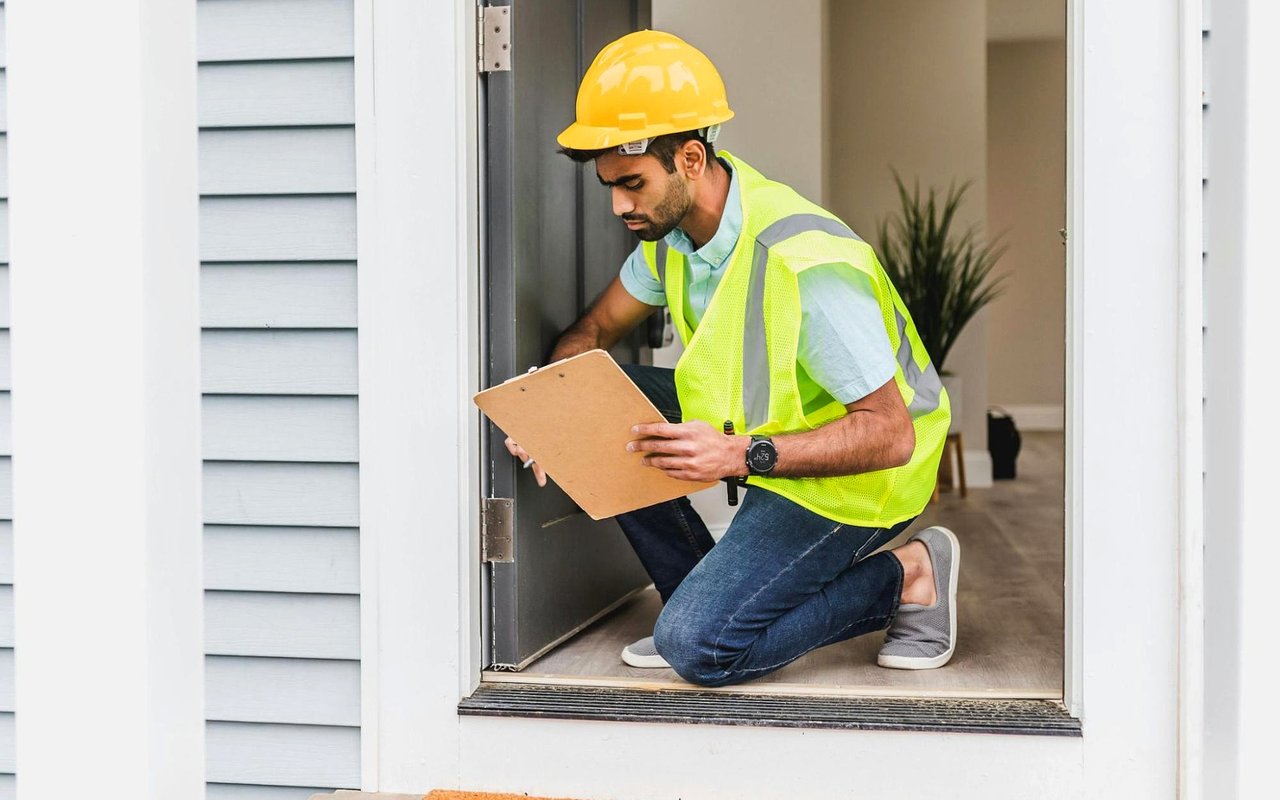
A general home inspection focuses on the visible and accessible components of a property. Inspectors are not predicting the future or guaranteeing performance; they are documenting current conditions and identifying potential concerns.
In Napa Valley, a standard inspection typically evaluates:
In Napa Valley, a standard inspection typically evaluates:
-
Foundation and structure, including signs of settlement, cracking, moisture intrusion, or framing concerns
-
Roof and exterior, such as roofing materials, flashing, gutters, siding, trim, decks, balconies, and railings
-
Plumbing systems, including supply lines, drains, water heaters, water pressure, and visible leaks or corrosion
-
Electrical systems, covering the main panel, breakers, grounding, outlets, switches, and safety protections like GFCIs
-
Heating and cooling, assessing furnaces, heat pumps, HVAC units, ductwork, airflow, and thermostat operation
-
Interior components, including walls, ceilings, floors, windows, doors, fireplaces, and built-in appliances
After the inspection, the inspector provides a detailed written report, often with photos, outlining items that may require repair, monitoring, or further evaluation by a specialist.
Napa Valley–Specific Inspection Considerations
What makes local inspections unique
Napa Valley homes often present region-specific factors that inspectors pay close attention to.
Many properties in downtown Napa, Yountville, and St. Helena were built decades ago and updated over time. Inspectors frequently note:
Many properties in downtown Napa, Yountville, and St. Helena were built decades ago and updated over time. Inspectors frequently note:
-
Electrical and plumbing systems completed in phases
-
Differences between original construction and later renovations
-
Older materials that no longer meet current standards
These findings are common and don’t automatically signal a problem, but they are important for understanding maintenance and future planning.
Homes on hillsides or elevated lots often require closer evaluation of:
Homes on hillsides or elevated lots often require closer evaluation of:
-
Drainage and water runoff management
-
Retaining walls and slope stability
-
Signs of erosion or soil movement
Proper drainage is especially important after winter rains, and inspectors will document any visible concerns.
Seasonal rainfall makes moisture control a priority in Napa Valley. Inspectors often focus on:
Seasonal rainfall makes moisture control a priority in Napa Valley. Inspectors often focus on:
-
Crawlspaces and under-floor ventilation
-
Evidence of past or current water intrusion
-
Grading and slope away from the foundation
Moisture issues are one of the most common findings, particularly in older homes.
Given Northern California’s seismic activity, inspectors may comment on:
Given Northern California’s seismic activity, inspectors may comment on:
-
Foundation anchoring and bolting
-
Cripple wall bracing
-
Overall structural reinforcement
While a general inspection doesn’t replace a seismic retrofit evaluation, it can highlight whether upgrades may be advisable.
Common Additional Inspections in Napa Valley
A general home inspection is an excellent starting point, but many Napa Valley properties benefit from additional inspections.
Termite and pest inspections are extremely common and often conducted separately.
These reports identify:
Termite and pest inspections are extremely common and often conducted separately.
These reports identify:
-
Active or past infestations
-
Dry rot or wood damage
-
Conditions that may attract pests
For older roofs or tile systems, a dedicated roof inspection can provide clarity on:
-
Remaining roof life
-
Underlayment condition
-
Repair versus replacement timelines
For homes outside city services for septic systems:
-
Septic inspections evaluate tank condition, leach fields, and system function
-
Well inspections assess water flow, pressure, and sometimes water quality
Specialty inspections:
Depending on the property, buyers may also consider chimney inspections, pool and spa inspections, or structural engineer evaluations.
Depending on the property, buyers may also consider chimney inspections, pool and spa inspections, or structural engineer evaluations.
What a Home Inspection Is Not
Managing expectations from the start
A home inspection is not a pass-or-fail test, and it’s not a guarantee that nothing will ever go wrong. Inspectors do not open walls, predict future failures, or estimate repair costs unless specifically requested.
In Napa Valley, it’s normal for inspections to uncover a list of items. The key is understanding which items are minor maintenance, which are common for the home’s age, and which deserve further attention.
In Napa Valley, it’s normal for inspections to uncover a list of items. The key is understanding which items are minor maintenance, which are common for the home’s age, and which deserve further attention.
How Inspection Results Are Used in a Transaction
Turning information into smart decisions
Once the inspection is complete, buyers typically review the report with their agent to determine next steps. This may include:
-
Requesting repairs or credits
-
Asking for additional inspections
-
Proceeding with full awareness of the home’s condition
For sellers, pre-inspections can be a powerful tool, helping identify issues early and reduce surprises during escrow.
FAQs: Home Inspections in Napa Valley
Should I attend the inspection?
Yes, when possible. Walking the property with the inspector provides valuable context and allows you to ask questions in real time.
Do older Napa Valley homes always have issues?
Not necessarily. Many older homes have been well maintained and thoughtfully updated. Inspections help distinguish between age-related characteristics and true concerns.
How long does a home inspection take?
Most inspections last between two and four hours, depending on the size and complexity of the property.
Will the inspection stop the sale?
Rarely. Inspections are about information and negotiation, not automatic deal-breakers.
Confidence Comes from Clarity
A well-handled home inspection gives buyers peace of mind and helps sellers position their home more effectively. Whether you’re preparing to list your property or evaluating a purchase, having a knowledgeable local advocate makes all the difference.
If you’re navigating a Napa Valley real estate transaction and want guidance before, during, or after the inspection process, I’d be happy to help. Connect with me, Carolyn Roberts, for trusted Napa Valley real estate expertise and personalized support.
If you’re navigating a Napa Valley real estate transaction and want guidance before, during, or after the inspection process, I’d be happy to help. Connect with me, Carolyn Roberts, for trusted Napa Valley real estate expertise and personalized support.