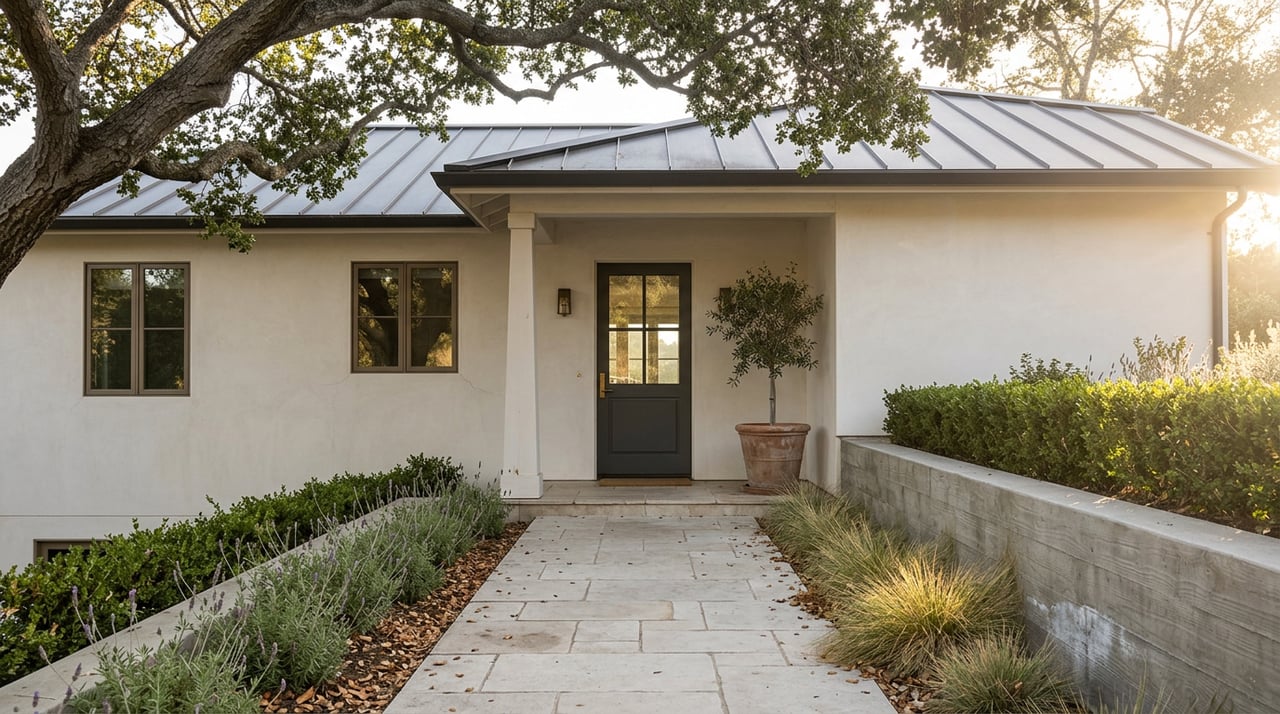
Say you're comparing two Napa addresses this summer, both listed within a week of each other, both quoting roughly the same neighborhood description: quiet street, close to downtown, good bones. The Browns Valley listing goes pending inside three weeks. The condo near downtown sits through a second open house, then a price adjustment. Both sellers were told the same thing by their agents going in: the Napa median is somewhere around $900,000 to $1 million right now. Both were right. Neither number described their own street.
That's the part the median never tells you. Napa's citywide price is not one market behaving one way. It's a blend of at least two markets that move on different clocks, reward different pricing strategies, and punish the same mistakes differently depending on which side of Highway 29 you're standing on.
One number, two very different stories underneath it
Redfin's closed-sale data for February 2026 put Napa's citywide median at $812,000, down 11.5 percent from the year before, with homes averaging 74 days on market. Movoto's August 2026 snapshot of asking prices told a different story: a $1.09 million median list price, down 5 percent month over month and year over year, at $580 a square foot. Both numbers are accurate. They're measuring different things, in different months, off a different mix of homes that happened to sell or list.
That mix is the whole point. When more of a given month's closings come from the hillside, west-side corridor, the citywide number climbs. When more come from the walkable core and the condo stock, it falls. A buyer who fixates on one headline figure is really reacting to whichever neighborhoods happened to transact that month, not to any single market they can actually walk into.
What's moving fast, and why
Browns Valley is the clearest example of the fast side of Napa. It's the corridor west of Highway 29, bordered by Napa Creek, built out originally as orchard and prune land before it became one of the city's most consistently requested residential areas. The neighborhood hub is Browns Valley Plaza, home to Browns Valley Market (known locally for its deli counter and produce), Hop Creek Pub, and a small cluster of a coffee shop, a salon, and a chocolatier that keep the plaza busy on weekday mornings.
Recent data on the neighborhood shows a median sale price of $1,135,000, essentially flat year over year, with 17 homes on the market and 11 new listings added recently, a flow steady enough that buyers get real choices without waiting months for inventory to turn over. Homes here were selling in a median of 47 days as of June 2026, unchanged from June 2025. That stability is the story. Browns Valley isn't spiking. It's simply pricing itself a full tier above the citywide median and holding there.
Alta Heights, the small bluff neighborhood on Napa's east side with sightlines over downtown and the valley, tells a messier version of the same story. Redfin's three-month window through May 2026 showed a median sale price of $1.3 million, up nearly 50 percent year over year, but on only 9 recorded sales. A jump that size on that few transactions usually means one or two view-premium homes, the kind you find on streets like Lakeview Avenue, closed at prices that pulled the whole average upward. Homes there were also taking longer to sell, a median of 60 days compared to 30 days the year before. Alta Heights is proof that a hot-looking neighborhood number can be a handful of outlier sales wearing a trend's clothing. Before you anchor to any neighborhood median, ask how many homes actually closed to produce it.
What's moving slower, and why that's not necessarily bad news
Central and Downtown Napa sit on the other side of this split. Redfin's January 2026 figures showed a median sale price of $730,000 there, down 2.7 percent year over year, with an average sale price of $674,000, down 7.5 percent. A separate comparison earlier this year put Central Napa's typical sale price roughly $115,000 below the citywide figure. Interestingly, days on market actually improved here, down to 71 days from 90 the year before. Prices cooled slightly while speed picked up, which is a market working through inventory rather than one losing interest.
That inventory is different by design. Downtown Napa's zoning favors condos, attached homes, and mixed-use buildings over the large detached lots you'll find in Browns Valley or Alta Heights. Citywide, condo and townhome supply stays thin, typically in the low thirties for condos and high twenties to low thirties for townhomes at any given point in 2026. That scarcity matters because it means comparable sales are harder to find, and pricing a condo well requires looking building by building rather than neighborhood by neighborhood.
It also means HOA due diligence carries real weight. Current downtown listings show HOA dues ranging from $378 to $834 a month depending on the building and amenities, a swing large enough to change what a buyer can actually afford even at the same purchase price. California law requires sellers of a unit in a common-interest development to hand over governing documents, current assessment statements, notices of unresolved violations, and the association's latest inspection report before the deal can close, under Civil Code Section 4525. That paperwork is where a downtown condo purchase either moves smoothly or stalls, and reviewing it before you fall for a building beats reviewing it after.
None of this makes downtown a lesser buy. It makes it a different one. Buyers drawn there are usually choosing the Napa Farmers Market at 1100 West Street, running Saturdays year round and Tuesdays from April through December, the Napa River Trail, Oxbow Commons, and an evening routine built around Oxbow Public Market, Cole's Chop House, and Angèle Restaurant & Bar. Some years bring extra texture: the 2026 Napa Lighted Art Festival ran fifteen installations over five weeks downtown, the kind of programming that doesn't move a median price but does explain why buyers keep choosing walkability over acreage.
Reading the split before you write an offer
| Hillside / West-side (Browns Valley, Alta Heights) | Walkable core (Central & Downtown Napa) | |
|---|---|---|
| Typical sale price | $1.1M to $1.3M+ | $700K to $730K |
| Pace | 47 to 60 days | 71 days, improving |
| Inventory character | Single-family, steady turnover | Condos and attached homes, thin supply |
| Where the risk hides | Small sample sizes distort medians | HOA disclosures and dues variance |
The practical takeaway isn't that one side of Napa is better than the other. It's that the citywide median is a poor tool for deciding where to look, because it averages two markets that don't share a pricing logic, a pace, or even a housing type. A buyer who wants a single-family home with room to spread out should be reading Browns Valley and Alta Heights data, not the blended city figure, and should be ready to move within weeks once the right listing appears. A buyer drawn to walkable, lower-maintenance living should expect more time to shop, more variation building to building, and a closing process that runs through HOA paperwork rather than around it.
Either way, the number worth tracking isn't the citywide median. It's the sample size and the days-on-market trend for the specific streets you're actually considering.
A few questions worth asking before you set a budget
Is Napa's overall market cooling in 2026? Depends which half you mean. Prices in the hillside corridor have held flat to slightly up. The walkable core has softened on price while picking up speed, which points to a market absorbing inventory rather than losing buyers.
Should I price my offer around the citywide median? Only if you're buying a home that actually resembles the mix behind that number. Compare against the specific neighborhood's recent closings, not the city average, and check how many sales produced that neighborhood figure before you treat it as a trend.
If I want a condo, what should I ask for first? The governing documents and current assessment statement, which California law requires the seller to provide before closing under Civil Code Section 4525. Reviewing HOA dues and reserve fund health before you fall for a unit saves renegotiation later.
Napa's median price will keep making headlines every time a portal updates it. The more useful number lives one level down, in the specific corridor you're actually shopping, and in how many sales it took to produce that figure. If you'd like a read on what's happening on your particular street this month, Carolyn Roberts has been tracking these Napa Valley submarkets since 1978. Let's Connect.