By Carolyn Roberts
After more than four decades working with buyers and sellers throughout Napa Valley, I've walked through thousands of homes in this region — from downtown Napa bungalows and Yountville cottages to estate properties along Silverado Trail and hillside retreats above Calistoga. What I notice in the homes that feel most right is that the design doesn't fight the setting. The valley light, the vineyard views, the warm Mediterranean climate, and the architectural vocabulary that defines this place all point toward a specific range of styles that work here in ways they simply don't elsewhere. If you're furnishing or refreshing a Napa Valley home, here's where to start.
Key Takeaways
- Napa Valley's most successful interiors respond to the landscape, using warm neutrals, natural materials, and a strong indoor-outdoor connection as the foundation.
- The dominant architectural styles in the region — Mediterranean, Tuscan-inspired, Rustic Modern, and California Wine Country Casual — each have their own design logic, and the right interior approach follows from the architecture.
- Outdoor living is not optional in Napa. Patios, courtyards, and view-facing terraces are functional rooms, and they deserve the same design attention as the interior.
- In a real estate context, homes that feel authentically of this place tend to photograph better, show better, and hold their value more reliably than those that could be anywhere.
California Wine Country Casual
The style that feels most native to this region:
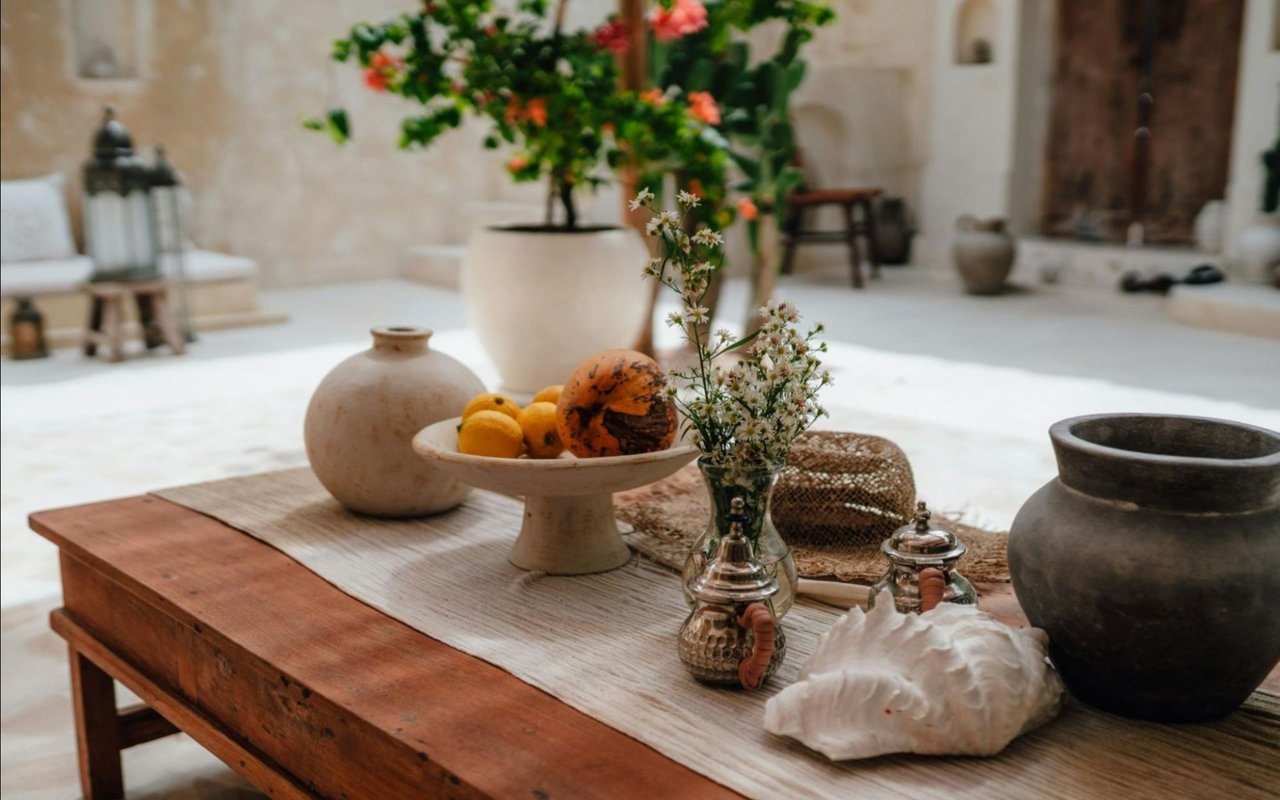
- California Wine Country Casual, the design aesthetic most closely associated with Napa and Sonoma, draws from the natural beauty of the valley itself. It is warm, layered, and quietly luxurious — more serene than farmhouse, more livable than formal Mediterranean.
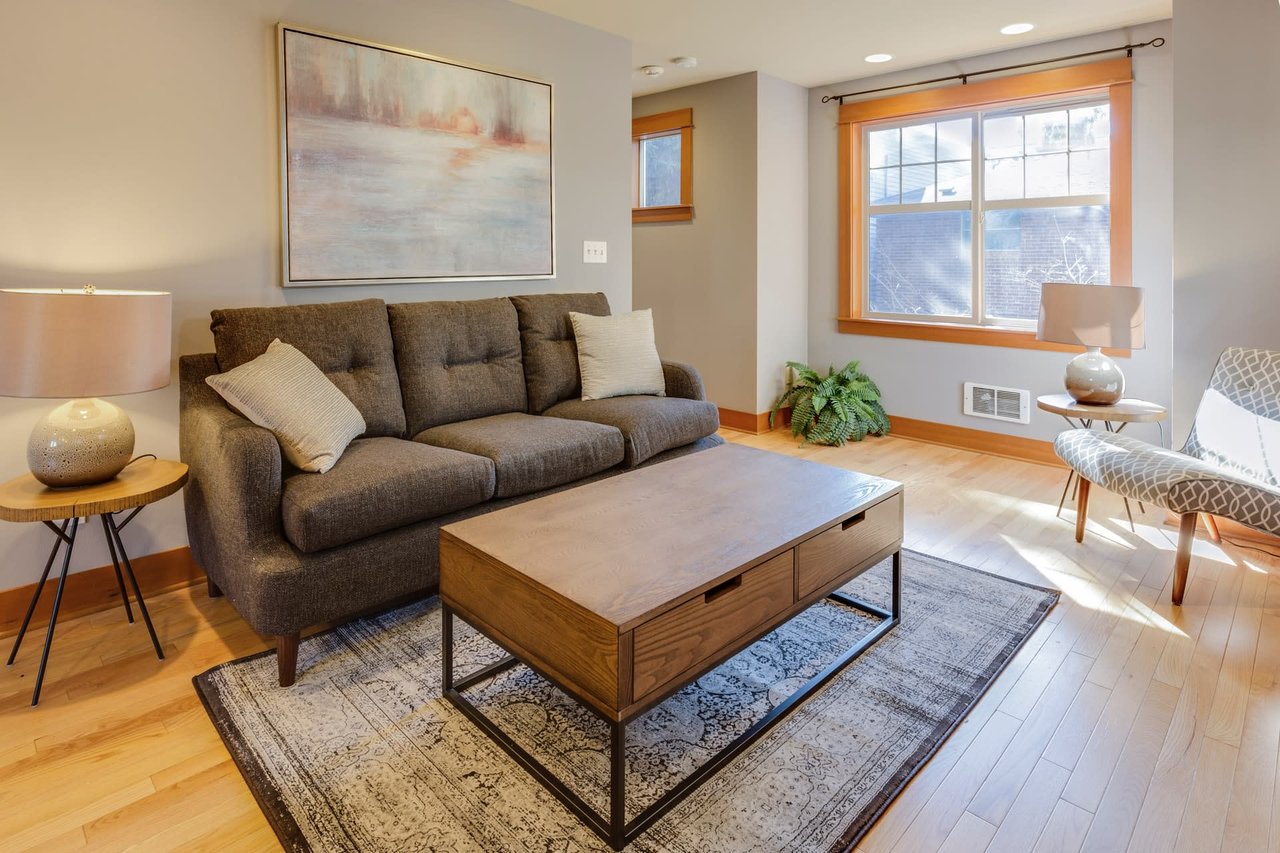
- The palette starts with warm neutrals: aged linen, warm white, muted gold, soft clay, and the tawny tones of sun-bleached wood. These colors work with Napa's famous golden-hour light rather than competing with it.
- Materials lean toward the organic: hand-thrown ceramic vessels, reclaimed wood, natural stone, woven textiles, and iron accents. The quality is high, but nothing is precious or overly polished.
This is the style I see most often in the homes that buyers fall in love with at first showing. It reads as relaxed and effortless while clearly being well-considered, which is exactly the balance that suits the Napa lifestyle.
Mediterranean and Tuscan-Inspired
The architectural tradition that shapes much of the valley's housing stock:
- A significant portion of Napa Valley's residential inventory draws from Mediterranean and Tuscan architectural traditions: terracotta tile roofing, stucco exteriors in warm earthy tones, arched doorways, wrought-iron details, and interior courtyard spaces designed for shade and gathering.
- Interiors that honor this architecture use high ceilings, stone or tile floors, natural wood beams, and large windows oriented toward views. Color palettes favor deep ochre, terracotta, warm cream, and the blue-greens of Provençal influence.
- Decorative accents including ceramic vessels, carved wood, iron lanterns, and hand-painted tile connect the interior to the architectural character outside without feeling theatrical.
For sellers, I always advise against modernizing away from Mediterranean bones. Buyers who seek this style specifically are looking for authenticity, and a home that leans into its architecture consistently commands stronger interest than one that contradicts it.
Rustic Modern
For newer construction and hillside properties with strong contemporary lines:
- Rustic Modern has become one of the most requested styles in Napa Valley's luxury market, combining the warmth of natural materials with the clean geometry of contemporary architecture.
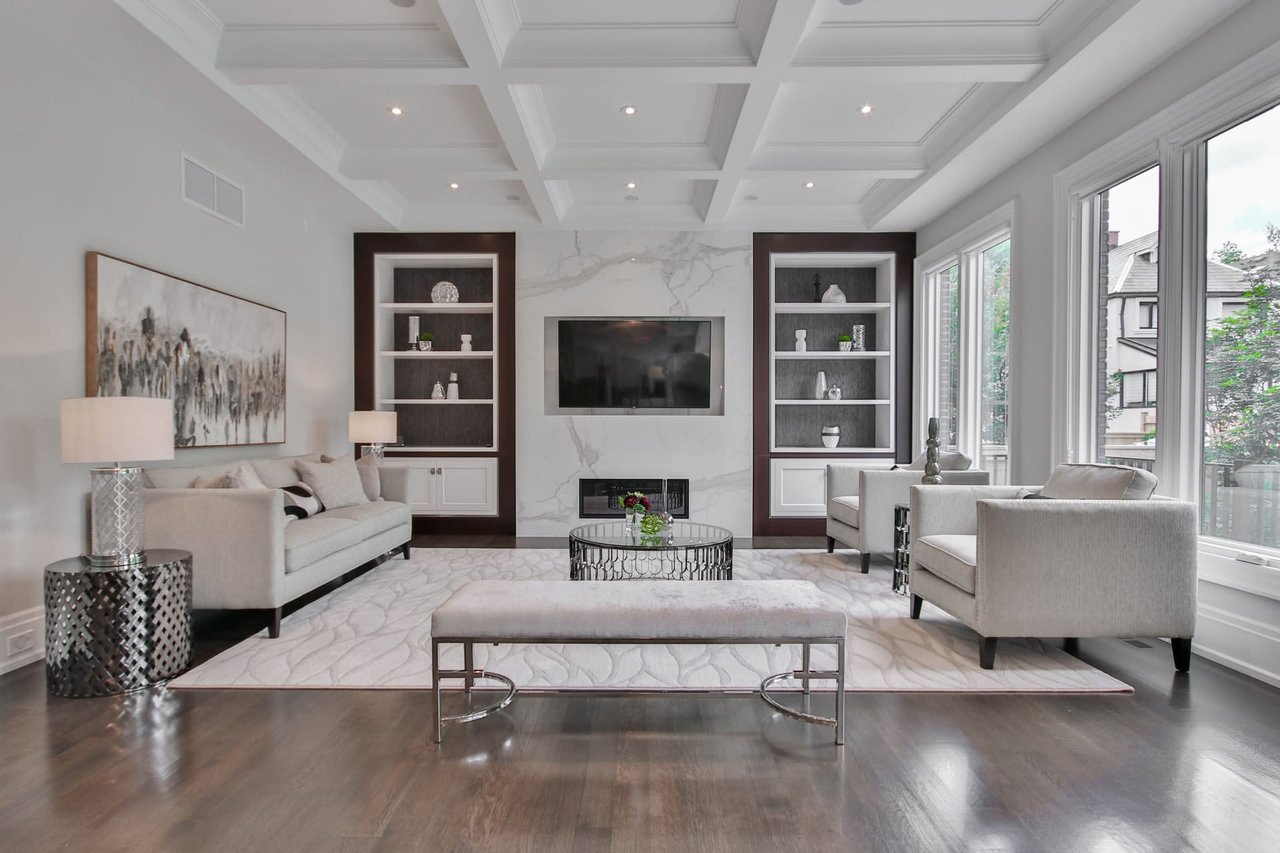
- The palette is quieter than traditional Wine Country styles: concrete, charcoal, warm white, aged oak, and matte black hardware. Stone surfaces — limestone, quartzite, and honed marble — keep the palette elevated without adding visual weight.
- The tension between rustic and modern is what makes this style work. Board-formed concrete alongside reclaimed wood, a sleek fireplace surround set into a rough stone wall, or flat-panel cabinetry paired with an unlacquered brass fixture — these contrasts are deliberate and they give Rustic Modern interiors their character.
This style reads particularly well in properties with expansive views of the valley, where the clean lines of the architecture frame the landscape the way a good painting frames a canvas.
Traditional Wine Country
For estate properties where history and craftsmanship define the character:
- Traditional Wine Country interiors suit the older estate homes that define Napa's most established neighborhoods and agricultural properties. These homes have formal dining rooms, paneled libraries, and detailed millwork that calls for a richer, more layered approach.
- Rich textiles in warm tones, upholstered pieces with traditional silhouettes, antique or antique-inspired furniture, and layered lighting all contribute to the depth that this style requires.
- The key is avoiding heaviness. Traditional Wine Country at its best is still California: light comes through, views are honored, and outdoor access is always nearby.
A Word on Outdoor Living
In Napa Valley, outdoor spaces are rooms:
- Patios, courtyards, loggias, and pool terraces are not afterthoughts here — they are the rooms where Napa Valley life actually unfolds during most of the year.
- Outdoor furniture should be chosen for durability in a climate that swings between summer heat and winter rain, but also for how it reads from inside. Weather-resistant teak, aluminum framing, and high-quality outdoor fabrics perform well and maintain their appearance.
- A well-designed outdoor dining area or fire pit gathering space consistently adds perceived value to a listing in this market. Buyers imagine themselves entertaining there, and that emotional response matters.
Buy or Sell Your Napa Valley Home With Carolyn Roberts
Design choices affect both how you experience a home and how it performs in the market. With more than 45 years of Napa Valley real estate expertise, I help buyers and sellers understand exactly how a home's style, finishes, and setting come together. Reach out to me to learn more about buying or selling a home in Napa Valley.