Creating a home that nurtures restful sleep starts with intention. Your environment affects your mind, your body, and your nightly routine, which means the way you design your space can either support relaxation or disrupt it. When you focus on how to design a sleep-friendly home, you’re not just decorating—you’re shaping habits, moods, and long-term well-being. With thoughtful adjustments, you can turn your home into a haven that encourages calm, balance, and deeply restorative rest.
Choosing the Right Colors
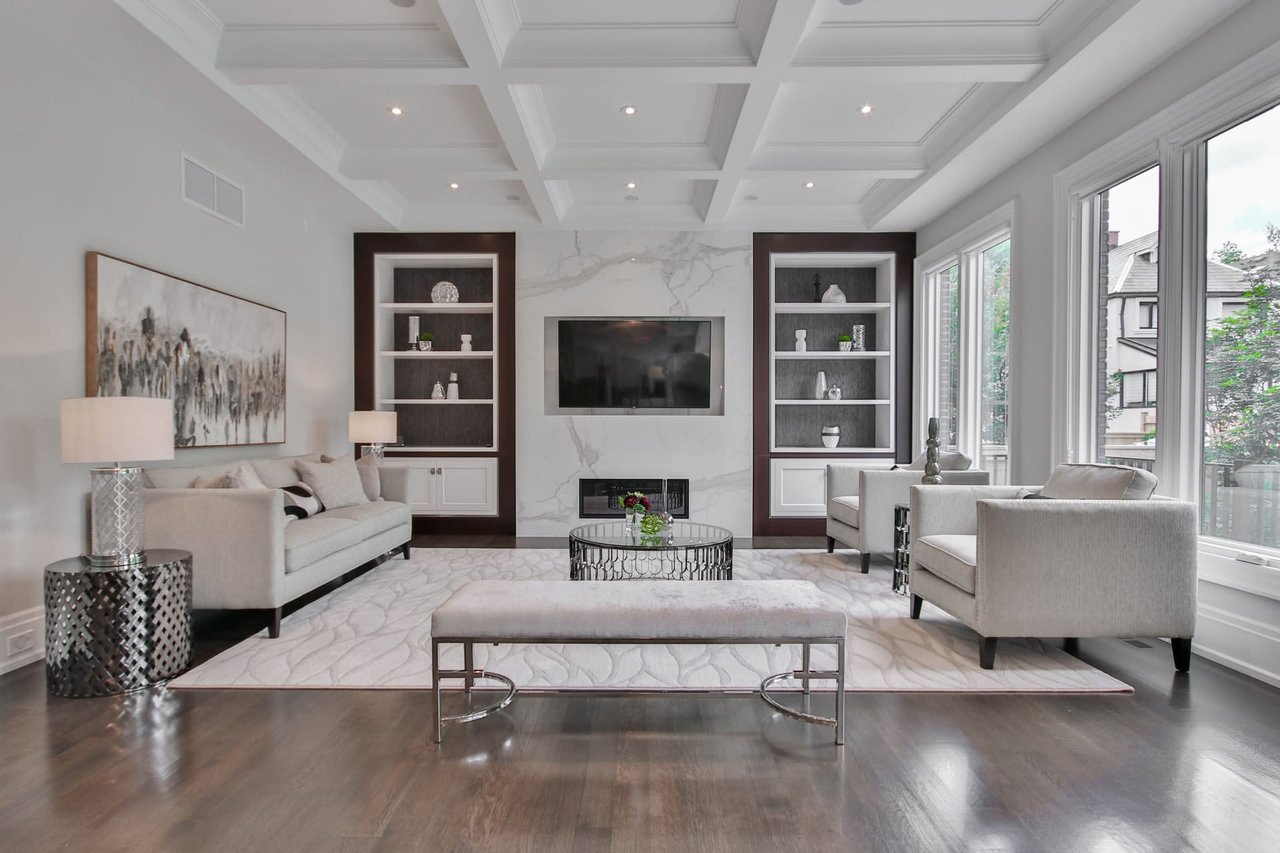
Color psychology plays a powerful role in your home’s impact on your state of mind. Opt for hues like soft blues, muted greens, gentle creams, or warm neutrals, all of which instill relaxation without overstimulating your senses. Avoid high-energy shades such as bright reds and oranges in bedrooms and relaxation spaces, as they can elevate heart rate and make it harder to unwind. By selecting a palette that cues serenity, you reinforce your overall goal: to create a space that signals safety, calm, and tranquility.
Optimizing Bedroom Lighting
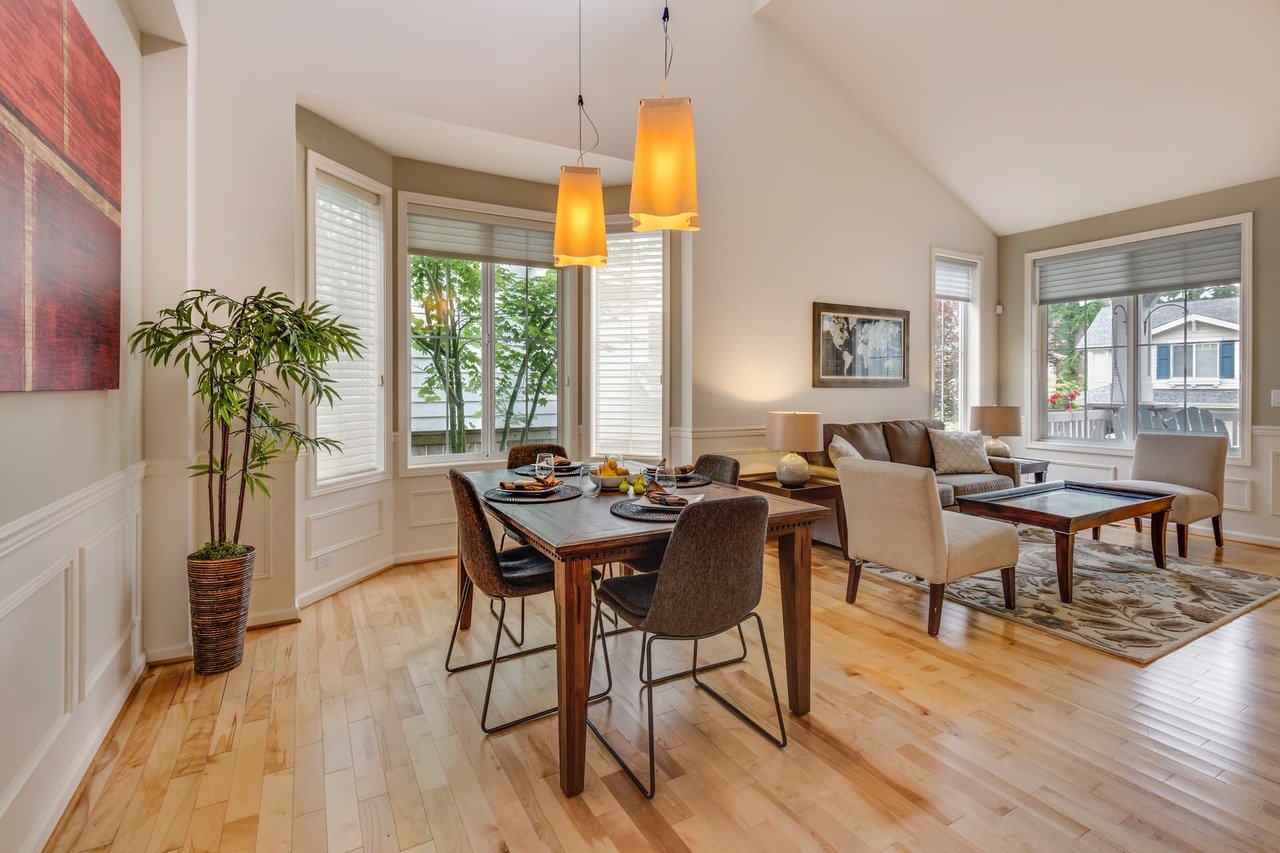
Lighting directly affects your circadian rhythm, making it crucial to use it wisely in any room intended for rest. Incorporate layered lighting—think bedside lamps, dimmers, and warm bulbs—to maintain flexibility throughout the day. In the evening, avoid harsh overhead lights and instead choose soft, amber glows that encourage melatonin production. Natural light during the day is equally important, helping regulate internal rhythms so your body understands when to wake and when to wind down.
Prioritizing Quality Bedding
High-quality bedding is an investment in your health, not a luxury. Look for breathable materials such as cotton, linen, or bamboo that help regulate your temperature throughout the night. A supportive mattress and pillows tailored to your preferred sleeping position can significantly improve sleep quality and reduce discomfort. Layering your bedding thoughtfully—light blankets, a comfortable duvet, and materials suited to your climate—ensures your sleep environment is both inviting and functional.
Reducing Noise Pollution
Sound plays a major role in sleep disruption, even if you don’t fully wake when noise occurs. To design a home that buffers these disturbances, consider strategies like area rugs, upholstered furniture, blackout curtains, or white-noise machines. If you live in a busy neighborhood, double-pane windows or sound-absorbing wall panels can make a meaningful difference. The goal is to create a cocoon of quiet—a space where noise is softened, minimized, or masked enough to preserve deep sleep cycles.
Regulating Temperature Thoughtfully
Cooler temperatures generally promote better sleep, with most experts recommending a range between 60 and 67 degrees Fahrenheit. Ensure your home supports this ideal climate by using breathable bedding, optimizing ventilation, and choosing window coverings that block out excessive heat. Smart thermostats can automate evening cooldowns, while fans and air purifiers help keep air fresh and circulating. A consistent nightly temperature sends your body the message that it’s time to rest.
Decluttering for Mental Calm
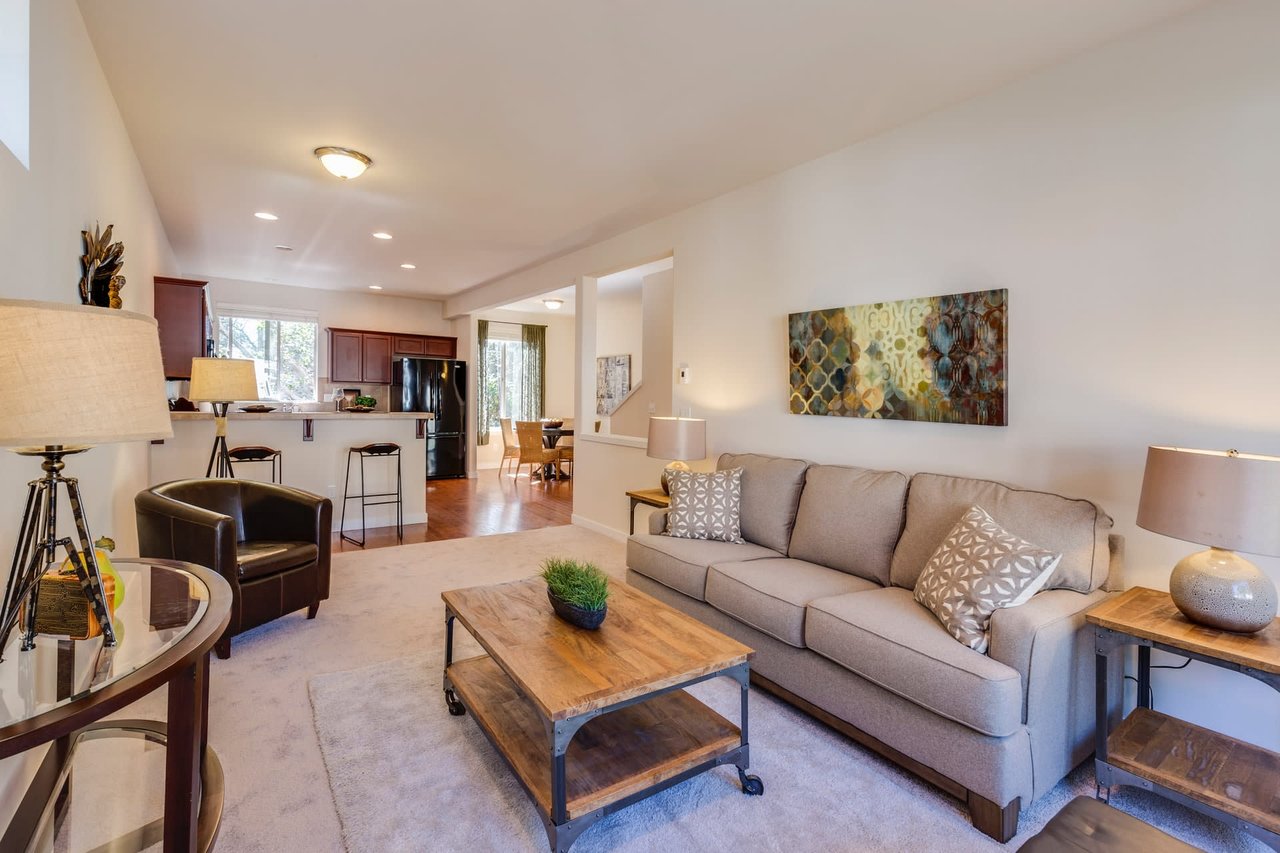
The state of your home often mirrors the state of your mind. Clutter can subconsciously elevate stress levels, making it harder to transition into a restful mindset before bed. Focus on keeping surfaces clear, storage solutions functional, and everyday essentials organized. Minimalism doesn’t have to mean stark spaces; instead, it encourages a visually soothing environment free of unnecessary distractions. When your surroundings feel orderly, your thoughts tend to follow suit.
Incorporating Natural Elements
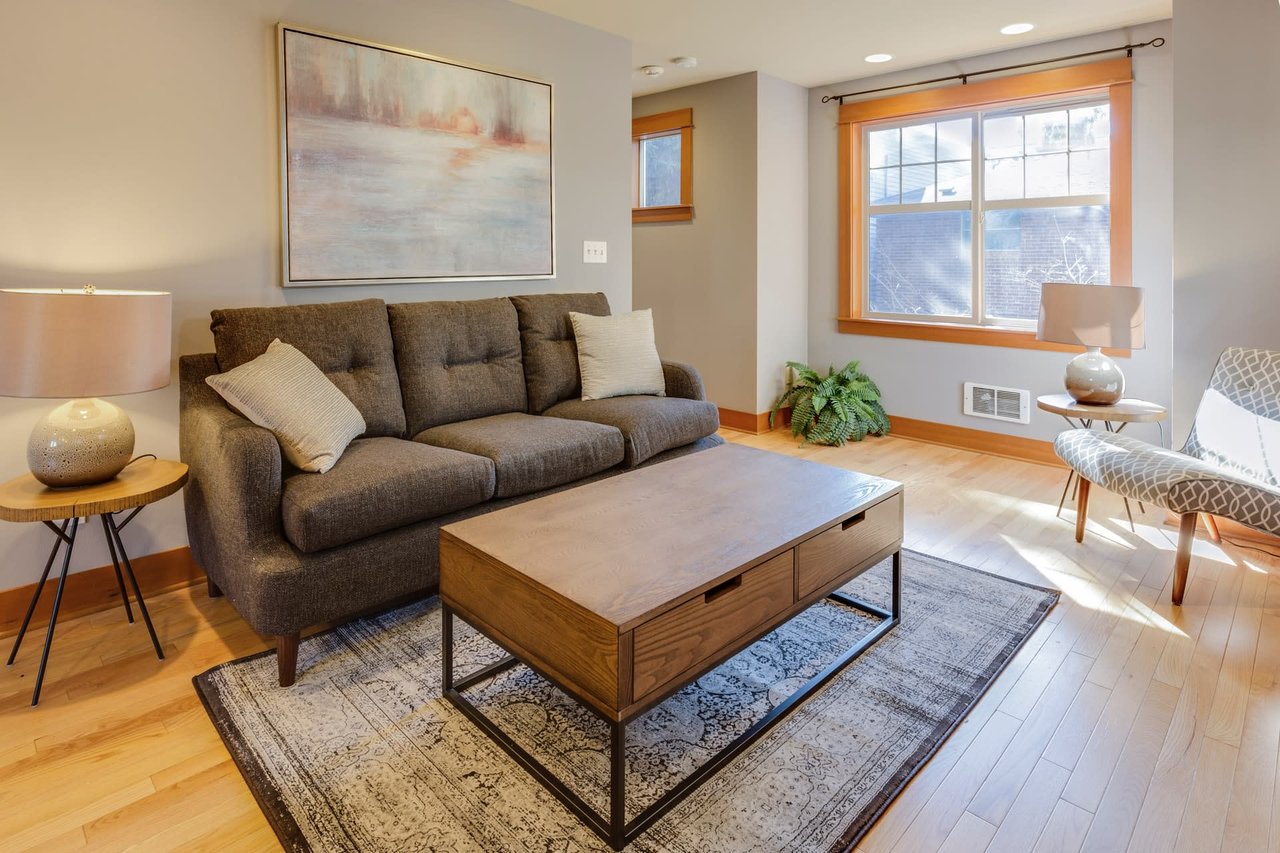
Bringing elements of nature into your home can significantly support relaxation and overall well-being. Houseplants help purify the air and introduce soothing greenery, while natural materials like wood, stone, and linen create an organic feel that grounds your space. Open your windows whenever possible to invite fresh air and natural sounds into your environment. These small, restorative touches help your home feel more balanced, peaceful, and connected to the rhythms of the outdoors.
Designing Restful Ritual Spaces
Beyond your bedroom, consider creating nooks or areas dedicated to wind-down rituals. A cozy reading chair, a meditation corner, or a warm bath setup can signal your mind that evening has arrived and relaxation is the priority. Keep these spaces free from screens and heavy activity; instead, fill them with items that make you feel calm—soft lighting, a favorite blanket, an essential-oil diffuser, or a journal. These ritual zones help build consistent habits that support restorative rest.
Limiting Technology in Rest Areas
Technology is one of the biggest threats to restful sleep, both because of blue-light exposure and mental stimulation. Set boundaries by keeping phones, TVs, and tablets out of sleeping areas whenever possible. If you rely on devices for alarms, consider switching to a traditional clock. Charging stations outside the bedroom help reinforce healthier nighttime routines. By designing tech-free zones, you create an environment that prioritizes calm over constant connection.
The Finishing Touch
Your home has the power to either elevate or disrupt your nightly rest. By focusing intentionally on how to design a sleep-friendly home—using soothing colors, mindful lighting, quality bedding, natural elements, and spaces that support your wind-down rituals—you create an environment that nurtures both the body and mind. These thoughtful choices not only improve your sleep but also enhance your overall sense of peace, wellness, and balance throughout your day.
Find Rest, Find Home
For a home that truly supports restorative living, consider how your environment influences your sleep routine and overall comfort. Thoughtful design, calming aesthetics, and functional choices can transform everyday spaces into restful retreats that help you recharge. The journey toward deeper sleep starts right where you are—inside the walls you shape with intention.
Work With a Real Estate Expert
When you’re ready to take the next step toward finding or designing a home that supports true rest and well-being, partner with Carolyn Roberts for guidance rooted in expertise and care. Carolyn brings insight into homes that offer comfort, functionality, and long-term value. Whether you’re searching for the perfect property or preparing to sell, she’ll help you navigate the market with confidence, clarity, and ease, ensuring your next move leads to a space that feels like your ideal retreat.