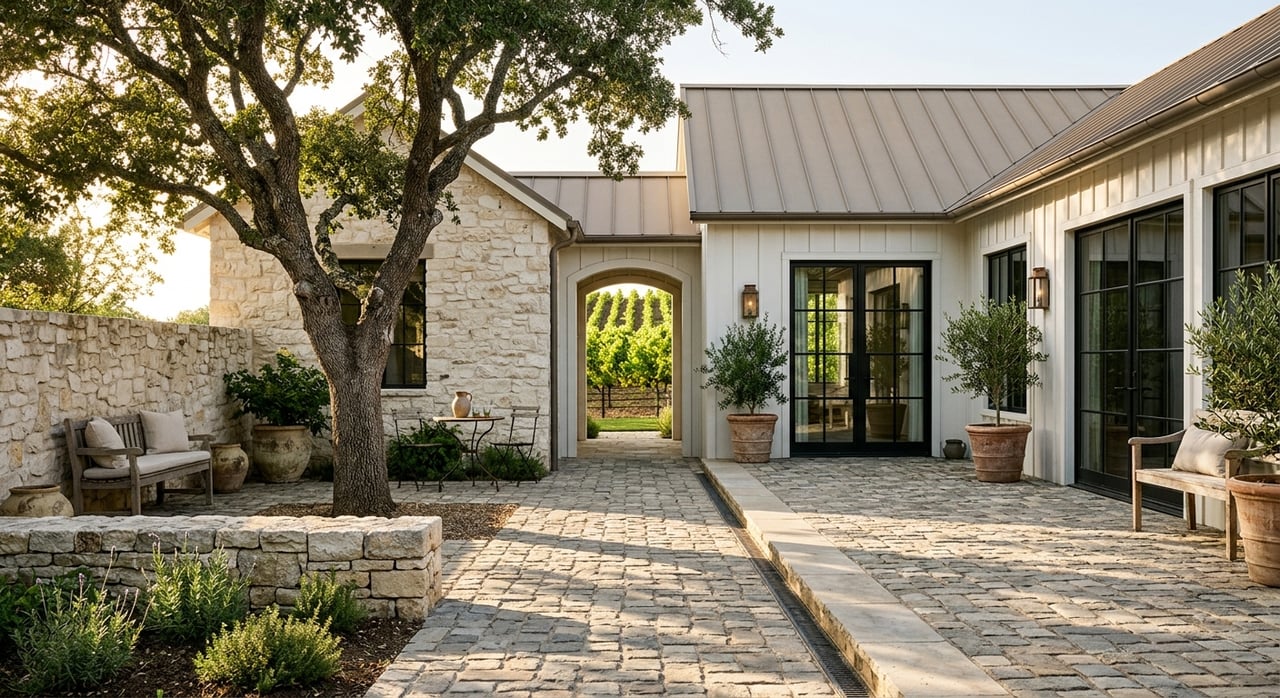
Wondering why some Napa homes seem to invite negotiation while others still draw fast, aggressive offers? If you are shopping in Napa’s luxury market, that split can feel confusing at first. The good news is that the market is giving buyers more choices than it did a few years ago, but the best strategy still depends on understanding what kind of rarity you are actually buying. Let’s dive in.
Napa luxury is not one market
A smart Napa buyer starts by letting go of one common assumption: luxury is not a single price point or a single pace. In Napa, the market behaves more like a collection of submarkets, each with its own pricing logic, timeline, and level of competition.
Countywide, recent data points to a more balanced environment than the pandemic-era frenzy. Redfin reported a March 2026 median sale price of $832,500 in Napa County, with 57 days on market and a 97.5% sale-to-list ratio. A local Q2 2025 report showed 387 active listings, 6.7 months of inventory, and a 96.8% list-to-sale ratio, which suggests buyers have more room to evaluate options and negotiate than they did during the peak.
That said, luxury inventory is still limited in the places and property types buyers want most. Countywide luxury sale price was reported at $2.8 million, with luxury list price at $3.8475 million, and only 126 luxury properties available at one point. In other words, the broader market may feel more forgiving, but top-tier properties can still behave like a scarcity market.
Why scarcity shapes Napa pricing
In many luxury markets, price is driven by square footage, finishes, and recent comparable sales. In Napa, those factors matter, but they are often secondary to scarcity features that are difficult to recreate.
Napa Valley is only about 30 miles long and sits within a region known for more than 400 wineries, 90 tasting rooms, and over 150 restaurants. Within the city, downtown access to the Napa River, Oxbow Public Market, First Street Napa, and other amenities creates a very different ownership experience than an estate property outside the core. Buyers are not just comparing houses. They are comparing lifestyles, convenience, privacy, and long-term site rarity.
County land-use policy also reinforces that scarcity. Napa County’s General Plan protects agricultural and open-space lands through large minimum parcel sizes and directs more intensive housing and commercial uses toward incorporated or designated urbanized areas. Certain hillside or ridgeline projects may also require viewshed review, and unincorporated areas may involve fire hazard and defensible-space considerations.
The practical result is simple: view corridors, vineyard settings, estate privacy, and walkable locations can command premiums because they are hard to duplicate. That is why two homes with similar finishes may trade very differently depending on where they sit and what they offer beyond the structure itself.
What the current data means for buyers
The main buyer takeaway is that negotiation room exists, but it is uneven. You should not approach every luxury listing as if the market gives you the same leverage.
On average, Napa County data suggests a more balanced market. Homes are taking longer to sell than they did during the boom, inventory has improved, and list-to-sale ratios show that many properties are not closing at full asking price. That opens the door for thoughtful negotiation, especially when a home has been sitting, needs updates, or lacks the strongest location features.
At the same time, highly desirable homes can still move quickly. Redfin’s luxury report noted that affluent buyers are often less sensitive to mortgage rates because they can pay cash or borrow less, which helps explain why standout properties may still attract strong terms, bidding competition, or fewer concessions.
This is where strategy matters. Instead of asking, “Is Napa a buyer’s market or a seller’s market?” ask a better question: What makes this specific property scarce, and how many buyers are likely to value that same feature?
Separate your search by asset type
One of the biggest mistakes buyers make is lumping all Napa luxury homes into one search. A downtown home, a vineyard-adjacent estate, a hillside property, and a second-home retreat are not interchangeable assets.
A clearer approach is to sort your search into categories based on the feature driving value. That helps you judge pricing, pace, and negotiation potential more accurately.
Downtown and walkable homes
Downtown Napa appeals to buyers who want daily convenience, restaurants, shopping, and a lower-maintenance lifestyle close to activity. The Downtown Neighborhood is a 210-acre mixed-use area along the Napa River, with access to Oxbow Public Market, the seasonal farmers market, the Napa Valley Opera House, and First Street Napa.
That convenience can create a pricing premium even when the home itself is smaller. In the Napa City report, downtown homes had a median price of $1.295 million and sold in 45 days. That was faster than the broader city luxury-residence category, which had a median of $1.85 million and 68 days on market.
For buyers, that means walkability is not just a nice extra. In many cases, it is the scarcity feature. If downtown convenience is your priority, you may need to act more decisively and focus less on broad county averages.
Estate and vineyard-oriented properties
Estate buyers usually think differently. Instead of prioritizing walkability, they often focus on acreage, privacy, views, and the long-term scarcity of the site.
Here, the land itself may be part of the value story. Buyers considering vineyards, land, or large parcels should pay attention early to zoning, parcel size, Williamson Act status, water, septic, viewshed review, and fire-hazard compliance. These issues can affect how you use the property today and how future buyers may evaluate it later.
This is also where broad comps can become less useful. Local reports note that some upper-end estate and vineyard properties, especially around St. Helena, may trade off-market. Ultra-luxury inventory is thin, and properties above $5 million or $10 million do not produce enough sales volume for easy comparison.
View and hillside properties
View properties often attract buyers emotionally, which can make pricing feel less linear. A compelling site, strong outlook, or sense of privacy may justify a premium even if the house needs work.
But hillside and view-oriented purchases need closer due diligence. County guidance around visible hillside or ridgeline development, fire hazard severity zones, and defensible-space requirements can affect ownership costs, future improvements, and resale appeal. For this type of search, early verification matters.
Second-home and lock-and-leave buyers
Some buyers are not looking for a full-time estate. They want a polished Napa base that is easy to enjoy and simple to maintain.
For these buyers, the premium may center on convenience, access, and ease of ownership rather than lot size. A smaller home in a well-located area can outperform a larger but less practical property if your real goal is frequent weekend use and minimal upkeep.
Read Napa micro-markets, not just county averages
Countywide data offers useful context, but it does not tell the whole story. Napa, Yountville, Calistoga, St. Helena, and Angwin all move at different price points and speeds.
Recent local figures show St. Helena at a $2.15 million median with 95 days on market, Yountville at $1.425 million and 62 days, Calistoga at $1.275 million and 58 days, and Angwin at $895,000 and 62 days. Those are not direct apples-to-apples comparisons, but they do show how different value drivers can shape the pace and pricing of a search.
For buyers, this means your strategy should follow the submarket, not just the label “Napa luxury.” A home in downtown Napa and an estate in St. Helena may both be considered luxury, but they do not trade on the same terms.
How to think about negotiating room
In this market, negotiating well starts with identifying whether the home is broadly available or genuinely hard to replace. That sounds simple, but it changes everything.
If a property has average location features, longer market time, or visible condition issues, buyers may have room to negotiate on price or terms. The current inventory backdrop supports that on many listings. Sellers know buyers have more options than they did during the height of the market.
If the property offers a standout feature, such as true walkability, a rare view corridor, vineyard appeal, or estate privacy, negotiation may be more limited. Even in a balanced market, rare homes tend to price to scarcity first.
A practical way to frame it is this:
- Commodity-like luxury often allows more negotiation.
- Trophy or hard-to-replace luxury often demands stronger terms.
- Land-driven properties require more diligence before price discussions mean much.
A smarter Napa buyer strategy
If you want to buy well in Napa, focus on clarity before speed. The market is more balanced than it was a few years ago, but that does not mean every property is a bargain or every seller is flexible.
Start by deciding which scarcity feature matters most to you. In Napa, buyers usually win when they get specific about whether they are really buying convenience, a view, vineyard potential, privacy, or a second-home lifestyle.
From there, build your strategy around that goal:
- Define your search by asset type, not just by price.
- Compare the property to its true peer group, not a broad county average.
- Expect more negotiating room on average listings than on standout ones.
- Verify land-use and site constraints early for larger parcels and rural properties.
- Stay ready for decisive action when a hard-to-replace property comes to market.
That kind of discipline helps you avoid two costly mistakes: overpaying for a home that is not truly rare, or losing a property that is.
In a market like Napa, that distinction matters. The homes that hold attention and value over time are often the ones tied to a feature the market cannot easily make more of.
When you want experienced guidance on Napa luxury homes, estates, vineyards, land, or second-home opportunities, Carolyn Roberts offers the local insight, negotiation strength, and steady support that can help you buy with confidence.
FAQs
What does the Napa luxury market mean for buyer strategy?
- It means you should treat Napa luxury as several submarkets rather than one category, because pricing, pace, and negotiation room can vary widely by location and property type.
Are Napa luxury homes negotiable right now?
- Many are, especially homes with longer market time, average location features, or condition issues, but rare properties with strong views, walkability, or estate privacy may still attract strong terms.
Why do downtown Napa homes sometimes sell faster?
- Downtown homes can command a walkability premium because they offer easy access to the Napa River area, Oxbow Public Market, First Street Napa, dining, and other daily conveniences.
What should buyers check before buying Napa land or vineyard property?
- Buyers should review zoning, parcel size, Williamson Act status, water, septic, viewshed review requirements, and fire-hazard or defensible-space considerations early in the process.
How is Napa different from nearby wine-country markets?
- Napa, Yountville, Calistoga, St. Helena, and Angwin each have different pricing patterns, days on market, and value drivers, so buyers should evaluate each area on its own terms.