By Carolyn Roberts
One of the things I love most about showing homes in Napa Valley is the wide array of architectural gems. Drive through downtown Napa and you'll pass an ornate Victorian with original woodwork, a Craftsman bungalow with a wide covered porch, and a sleek contemporary home with floor-to-ceiling glass — sometimes all on the same block. The architectural range here is extraordinary, and understanding it helps buyers know what they're falling in love with and what ownership actually looks like.
Key Takeaways
- Napa Valley's architecture spans from mid-1800s Victorian homes to contemporary estate builds
- The Napa Abajo–Fuller Park Historic District is one of the region's most celebrated neighborhoods for 19th-century architecture
- Craftsman style is among the most enduring and sought-after in the valley
- Mid-century modern and contemporary homes are common on hillside parcels and vineyard properties
- Each architectural style carries different maintenance considerations and real estate value implications
Victorian Homes: Napa's Architectural Heritage
The City of Napa grew rapidly during the Gold Rush era and the early wine country boom of the mid-1800s, and that prosperity left behind a remarkable collection of Victorian-era homes. Queen Anne, Eastlake, and Stick styles are well represented throughout older neighborhoods, particularly in the Napa Abajo–Fuller Park Historic District, which is listed on the National Register of Historic Places.
Victorian homes in Napa typically feature two to three stories, ornate exterior woodwork, gabled roofs, bay windows, and large covered porches. Inside, expect high ceilings, decorative trim, and compartmentalized room layouts that reflect 19th-century living. The Migliavacca Mansion, a Queen Anne masterpiece designed by architect William H. Corlett, is among the valley's most recognized examples, built with fine redwood and Italian slate shingles.
Victorian homes in Napa typically feature two to three stories, ornate exterior woodwork, gabled roofs, bay windows, and large covered porches. Inside, expect high ceilings, decorative trim, and compartmentalized room layouts that reflect 19th-century living. The Migliavacca Mansion, a Queen Anne masterpiece designed by architect William H. Corlett, is among the valley's most recognized examples, built with fine redwood and Italian slate shingles.
What buyers should know about Victorian homes:
- Original details like stained glass, wood floors, and moldings are highly prized
- Seismic retrofitting is worth verifying, particularly given the 2014 South Napa earthquake
- Maintenance costs can run higher than newer construction due to specialty materials
- Many historic properties in the district carry preservation guidelines that affect exterior modifications
Craftsman Style: A Napa Valley Favorite
Emerging at the turn of the 20th century as a response to the ornate excess of the Victorian era, the Craftsman style quickly found a devoted following in California, and Napa Valley is no exception. Craftsman homes honor natural materials, careful construction, and a connection to the outdoors that feels right at home in wine country.
Signature Craftsman features include:
- Low-pitched roofs with wide, overhanging eaves
- Large front porches supported by tapered columns
- Big bay windows with natural wood framing
- Exposed rafters and beams, both interior and exterior
- Built-in cabinetry, window seats, and bookcases throughout the interior
Downtown Napa, particularly around the historic core and along tree-lined streets near Fuller Park, has some of the finest Craftsman examples in Northern California. An 1885 cottage along Napa Creek — steps from downtown restaurants and tasting rooms — is a good example of how Craftsman architecture ages beautifully when well maintained.
Mid-Century Modern and Contemporary Homes
As Napa Valley expanded and wine country living gained broader appeal through the latter half of the 20th century, a new generation of homes began appearing, particularly on hillside parcels and larger agricultural lots. Mid-century modern architecture translated exceptionally well to the Napa landscape, with its emphasis on indoor-outdoor connection and integration with natural surroundings.
Mid-century modern homes typically feature flat or low-pitched roofs, large windows that frame vineyard or mountain views, open floor plans, and sliding glass doors that open directly to outdoor living areas. The Telesis House, built in Napa in the early 1950s by engineer Jack Hillmer, is a local example of how structurally forward-thinking this era could be, incorporating passive solar design ahead of its time.
Mid-century modern homes typically feature flat or low-pitched roofs, large windows that frame vineyard or mountain views, open floor plans, and sliding glass doors that open directly to outdoor living areas. The Telesis House, built in Napa in the early 1950s by engineer Jack Hillmer, is a local example of how structurally forward-thinking this era could be, incorporating passive solar design ahead of its time.
Contemporary architecture in Napa Valley often features:
- Contrasting materials — steel, glass, concrete, and reclaimed wood
- Flat or angular rooflines designed to maximize views
- Indoor-outdoor living areas with covered terraces and outdoor kitchens
- Smart home technology and energy-efficient systems integrated from the ground up
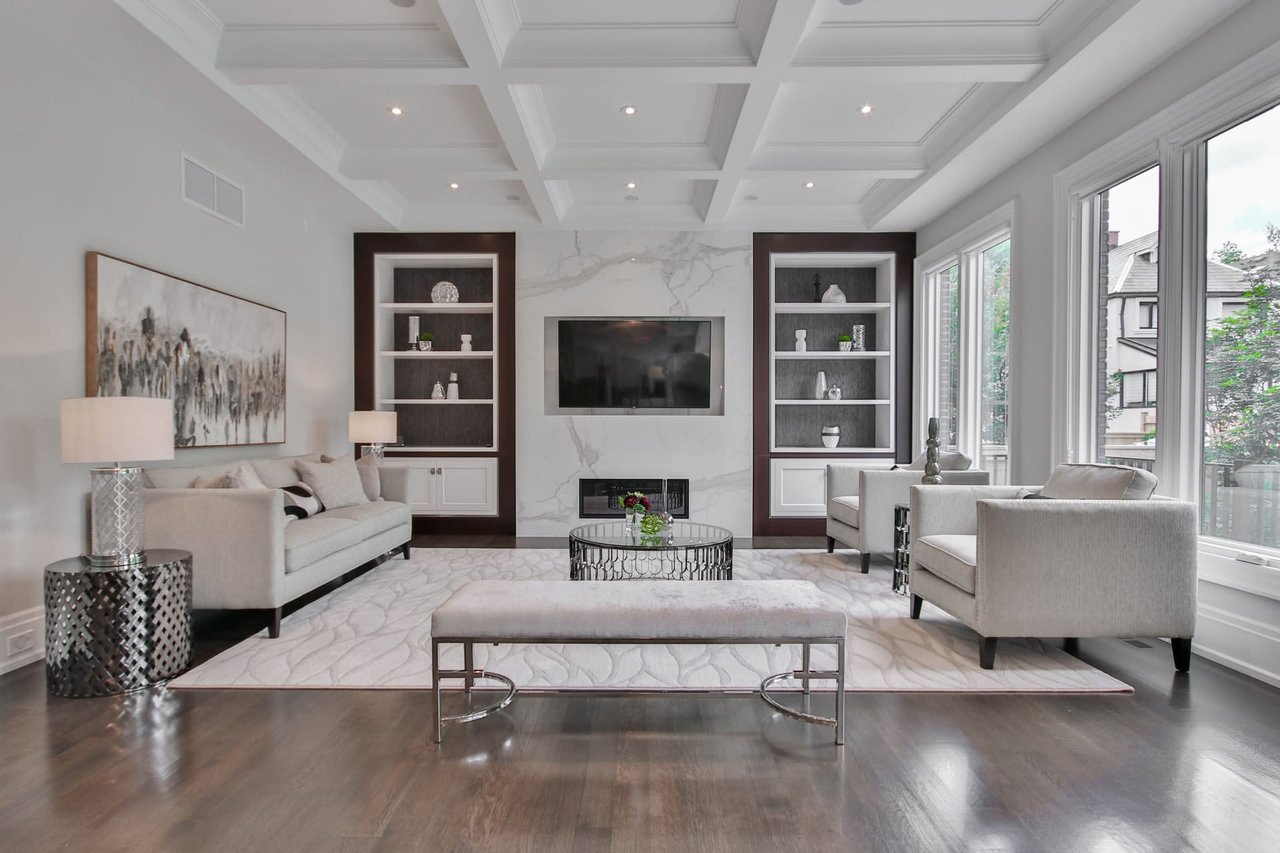
- Minimal exterior ornamentation with an emphasis on material quality
Estate properties around Silverado Resort, the Carneros region, and hillside parcels above St. Helena frequently feature contemporary architecture that pairs luxury finishes with panoramic vineyard views.
How Architecture Affects Real Estate Value
Understanding architectural style matters beyond aesthetics — it affects pricing, maintenance costs, financing, and long-term value. Historic homes in designated districts often carry both preservation restrictions and premium prices. Craftsman homes in original condition command strong buyer interest. Contemporary builds on premier view lots can reach the top of the Napa Valley price range.
Key considerations by style:
- Victorian and historic: Higher maintenance, potential preservation guidelines, strong appreciation in prime districts
- Craftsman: Broad buyer appeal, durable if well maintained, strong resale across price points
- Mid-century modern: Growing demand, particularly among buyers relocating from the Bay Area
- Contemporary and estate: Premium pricing driven by location, views, and finish quality
FAQs: Napa Valley Architecture and Real Estate
Are historic homes harder to finance?
Not necessarily, but lenders do require the home to meet minimum property standards. Homes in significant disrepair or with major deferred maintenance may face appraisal challenges. Working with a local lender who knows the Napa Valley market helps avoid surprises during the loan process.
Can I modify a home in the Napa Abajo–Fuller Park Historic District?
Interior modifications are generally unrestricted. Exterior changes, however, are subject to review to preserve the district's architectural character. Before planning any exterior renovation on a historic property, I always recommend checking with the City of Napa's planning department early in the process.
Do mid-century modern homes hold their value in Napa Valley?
Yes. Demand for mid-century modern properties has grown steadily, driven in part by buyers from the Bay Area and Southern California who are familiar with the style and seek it out. Well-maintained examples with strong views or vineyard adjacency tend to appreciate well.
Find the Right Napa Valley Home for You
From Victorian painted ladies to contemporary vineyard estates, Napa Valley's architectural landscape is as layered as the wine it produces. Knowing what you're looking at — and what it means for your investment — is part of what I bring to every showing.
Reach out to me to explore Napa Valley homes across every architectural style and price point. I'll help you find the property that fits both your vision and your long-term goals.
Reach out to me to explore Napa Valley homes across every architectural style and price point. I'll help you find the property that fits both your vision and your long-term goals.