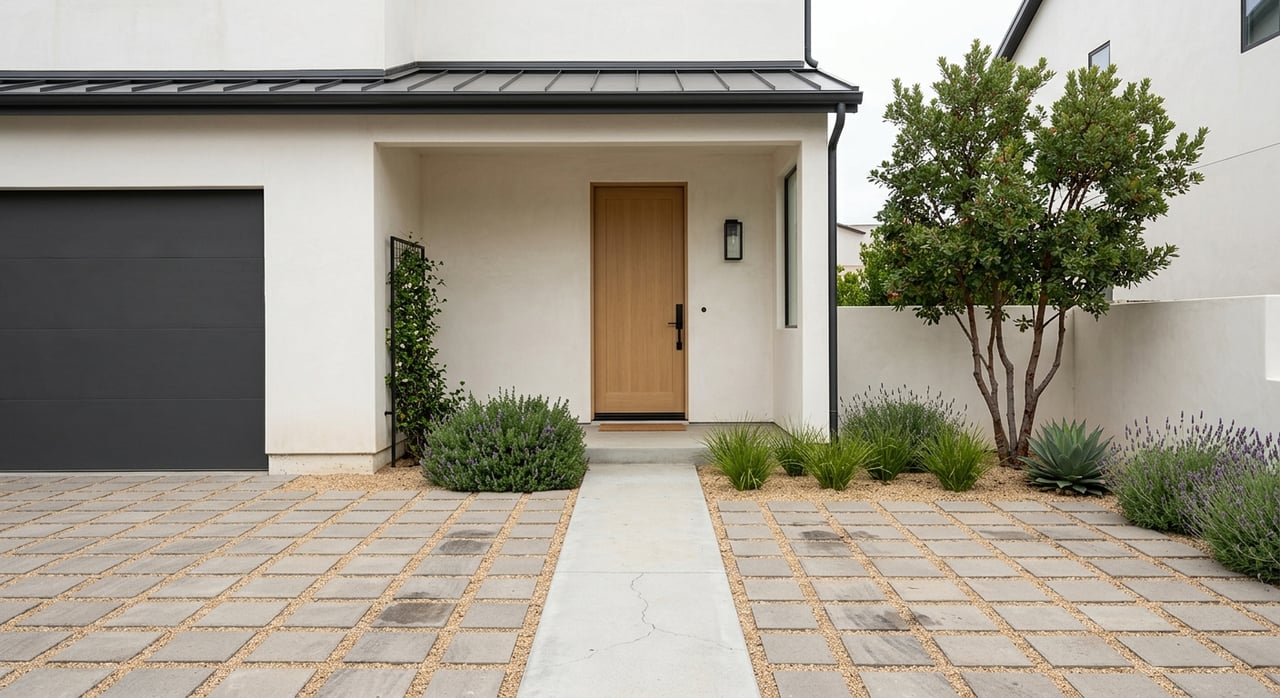
Looking for a home you can enjoy without feeling tied to constant upkeep? In Yountville, that goal can be very realistic, but the right fit often comes down to details that are easy to miss at first glance. If you want a polished wine-country base that is easy to lock up and leave, this guide will help you understand what to look for, what to verify, and how to compare options with confidence. Let’s dive in.
Why Yountville Works Well
Yountville has a lot going for buyers who want simplicity. The town is compact, walkable, and built around a highly convenient core with restaurants, tasting rooms, galleries, the Yountville Art Walk, and V Marketplace nearby.
That setting matters for a lock-and-leave lifestyle. Yountville is about 1.49 square miles and no more than 1.5 miles in length, which makes getting around easier whether you are there for a weekend, part of the season, or more regularly throughout the year.
There is also a strong hospitality presence in town, with 11 hotels and inns and 453 rooms reported by the town’s current transient occupancy tax page. For buyers, that helps reinforce Yountville’s identity as a convenient, visitor-friendly wine-country destination where ease of living is part of the appeal.
What “Lock-And-Leave” Means
A lock-and-leave home is usually less about size and more about management. You may want fewer exterior chores, predictable maintenance, and a property that feels comfortable to leave for stretches of time.
In Yountville, that often points buyers toward condos, attached homes, or detached homes within a common-interest development. These properties can offer a more streamlined ownership experience, but the level of convenience varies from one community to the next.
That is why it helps to define your version of low maintenance before you start touring. For some buyers, it means no yard work. For others, it means exterior maintenance support, simpler insurance coordination, or a location close enough to the town core that the car stays parked most of the time.
What You’ll Likely Find In Yountville
Yountville’s housing stock is mixed, though detached homes still make up the largest share. According to the town’s housing element, single-family detached homes account for 50.0 percent of the housing stock, while attached single-family units make up 11.9 percent, duplex-to-fourplex homes 7.8 percent, and larger multifamily projects 7.5 percent.
The same housing element notes that residential areas are almost entirely zoned for single-family, two- to four-plex, and condominium dwelling units. In practical terms, many of the more low-maintenance options you will see are condos, attached homes, or detached homes inside some type of shared-interest community rather than large-lot suburban properties.
Another key point is that Yountville is largely built out. Because almost all sites are already developed, resale condition, HOA quality, and exact location within town tend to matter more than the idea of a wave of new inventory arriving soon.
Don’t Assume Ownership Type By Appearance
One of the most common points of confusion is the difference between how a home looks and how it is legally structured. A townhouse-style home is an architectural description, not necessarily a separate ownership category.
In California, common-interest developments can include detached houses, townhouse-style homes, garden units, and high-rise units. That means a detached cottage in Yountville may still be part of an HOA-governed project, with shared rules, dues, and maintenance obligations.
For you as a buyer, this matters because the lifestyle and long-term costs are shaped by the governing documents, not just the exterior design. Two homes that look similar can come with very different responsibilities.
Why HOA Review Matters
If you are buying for convenience, the HOA review is one of the most important parts of the process. In California, the CC&Rs are the governing documents for a common-interest development, and they address things like common-area responsibilities, assessments, insurance requirements, and architectural control.
Regular dues help fund operations and reserves, while special assessments may be used for major repairs or unplanned expenses. The association board also handles budget oversight and reserve planning, which can directly affect your ownership experience.
For a lock-and-leave buyer, the goal is not just to find a home with an HOA. The goal is to find an HOA that is well run, financially prepared, and aligned with how you plan to use the property.
Questions To Ask About The HOA
Before you move forward, it is smart to get clear answers to a few basics:
- What does the HOA maintain?
- What remains the owner’s responsibility?
- Is there a current reserve study?
- Are reserves adequate for expected repairs?
- Are any special assessments pending or likely?
- What amenities are included in the dues?
- Do those amenities actually support the lifestyle you want?
- What are the pet, parking, guest parking, and architectural rules?
- Are there rental restrictions such as minimum lease terms, rental caps, or owner-occupancy rules?
These questions can help you look past the listing photos and understand the day-to-day reality of ownership.
Maintenance Can Vary More Than You Think
Many buyers assume that if a property looks low maintenance from the outside, the HOA probably covers the exterior. That is not always the case.
In California common-interest developments, maintenance responsibility can differ by project. Roofs, exterior siding, landscaping, and shared drive areas may be handled by the HOA in one community and fall partly on the owner in another.
California Civil Code 4775 generally places common-area maintenance on the HOA and responsibility for the separate interest on the owner, unless the declaration says otherwise. In other words, you need to read the actual documents and not rely on assumptions.
Rental Rules Are Especially Important In Yountville
If part of your plan includes renting the property from time to time, Yountville’s local rules deserve close attention. The town states that all residential rentals must have an active permit on file and that the permit must be renewed annually.
Yountville also states that short-term rentals are not allowed, while rentals of 30 days or longer are allowed. The permit number must appear in advertising, and state law defines a short-term rental as 30 or fewer consecutive days.
There is one more layer to verify. California law also allows a common-interest development to prohibit short-term rentals in its governing documents, so you need to review both the town’s requirements and the HOA’s CC&Rs to understand what is actually permitted.
Walkability Can Be A Real Value Driver
For many buyers, the appeal of Yountville is not just the home itself. It is the ability to step outside and enjoy the town with very little effort.
Official town and tourism materials highlight restaurants, tasting rooms, galleries, the art walk, and V Marketplace, all within a compact setting. Because the town is so small and walkable, homes closer to the downtown core can feel especially convenient for buyers who want a car-light wine-country base.
That convenience may also support value. A 2023 National Association of Realtors survey found that 79 percent of respondents said walkability was very or somewhat important, and 78 percent said they would pay more for a home in a walkable community.
Convenience Comes With Tradeoffs
Still, closer to the core is not always better for every buyer. The right location depends on how you weigh convenience against privacy, noise, visitor traffic, parking, views, and monthly HOA costs.
A home near Washington Street may offer excellent access to Yountville’s amenities. Another property a bit farther from the center may feel calmer and more private while still keeping the town close at hand.
This is where local perspective matters. In a small town, even short differences in location can noticeably change the ownership experience.
How To Evaluate A Lock-And-Leave Option
When you compare homes in Yountville, try to think beyond the floor plan. A beautiful property only becomes a true lock-and-leave fit if the ownership structure, rules, and location all support the way you want to live.
Here is a simple framework to use as you narrow your search:
Focus On Lifestyle Fit
Ask yourself how you will actually use the property. Will it be a second home, a downsizing move, or a part-time base for enjoying Napa Valley more often?
Your answer shapes what matters most. You may care more about walkability, guest parking, easy arrival and departure, or minimal exterior responsibilities than about square footage alone.
Review The Documents Early
If a property is in an HOA, reviewing documents early can save time and avoid surprises. It is much easier to evaluate a home clearly when you understand the dues, maintenance split, reserves, and rental rules up front.
This step is especially important in Yountville, where even detached homes may be part of a common-interest development. The appearance of the home does not tell the full story.
Compare Condition And Oversight
Because Yountville is largely built out, resale quality matters. The condition of the unit, the condition of shared areas, and the quality of association oversight can have a real impact on both convenience and future costs.
A home with slightly higher dues may still be the better choice if the association is organized, reserves are healthier, and major maintenance has been handled thoughtfully. Looking at the whole picture often leads to better long-term decisions.
Why Local Guidance Matters In Yountville
Yountville is small, but that does not mean it is simple. The mix of detached homes, attached homes, condo ownership structures, HOA rules, rental limits, and block-by-block lifestyle differences creates a market where details matter.
If you are buying a lock-and-leave home here, experienced guidance can help you evaluate not just the property, but the ownership experience that comes with it. That includes understanding which questions to ask, how to compare tradeoffs, and how to spot the difference between a home that looks easy and one that truly is.
With nearly five decades of Napa Valley experience, Carolyn Roberts brings the kind of local knowledge and steady guidance that can make a meaningful difference in a lifestyle-driven purchase. If you are considering a lock-and-leave home in Yountville, Carolyn Roberts can help you navigate the details with clarity and confidence.
FAQs
What is a lock-and-leave home in Yountville?
- A lock-and-leave home in Yountville is typically a property designed for easier ownership, often with less exterior upkeep, simpler day-to-day maintenance, and a convenient location near town amenities.
What property types are common for lock-and-leave buyers in Yountville?
- In Yountville, lock-and-leave buyers often consider condos, attached homes, or detached homes within a common-interest development, since these can offer a more streamlined ownership setup.
What should you review in a Yountville HOA before buying?
- You should review the CC&Rs, maintenance responsibilities, reserve funding, regular dues, possible special assessments, rental restrictions, and rules covering parking, pets, guests, and exterior changes.
Can you use a Yountville home as a short-term rental?
- No. The town states that short-term rentals are not allowed, while rentals of 30 days or longer are allowed with an active permit that is renewed annually.
Why does walkability matter when buying in Yountville?
- Walkability matters because Yountville is compact and amenity-rich, so being closer to restaurants, tasting rooms, galleries, and other town destinations can make day-to-day use easier and more enjoyable.
Why is local expertise helpful when buying a Yountville lock-and-leave home?
- Local expertise can help you compare ownership structures, review HOA documents, understand town rental rules, and evaluate how location within Yountville may affect convenience, privacy, and long-term value.