By Carolyn Roberts
A home inspection is one of the most important steps in any real estate purchase, and in Napa Valley, it deserves particular attention. From historic Victorian homes in downtown Napa to vineyard-adjacent estates in St. Helena and Calistoga, the properties here come with a wonderful range of ages, building styles, and site conditions — all of which show up in an inspection. Understanding what to expect from the process gives you the knowledge to move forward confidently, whether you're buying your first wine country property or your fifth.
Key Takeaways
- A home inspection is a comprehensive visual assessment of the property's major systems and structural components
- In Napa Valley, seismic considerations, older construction, and agricultural proximity can all influence inspection findings
- Buyers should attend the inspection in person whenever possible
- The inspection report is a negotiation tool, not a reason to panic
- Specialty inspections — pest, sewer, well, and chimney — are often worth ordering in addition to the general inspection
What a Home Inspection Covers
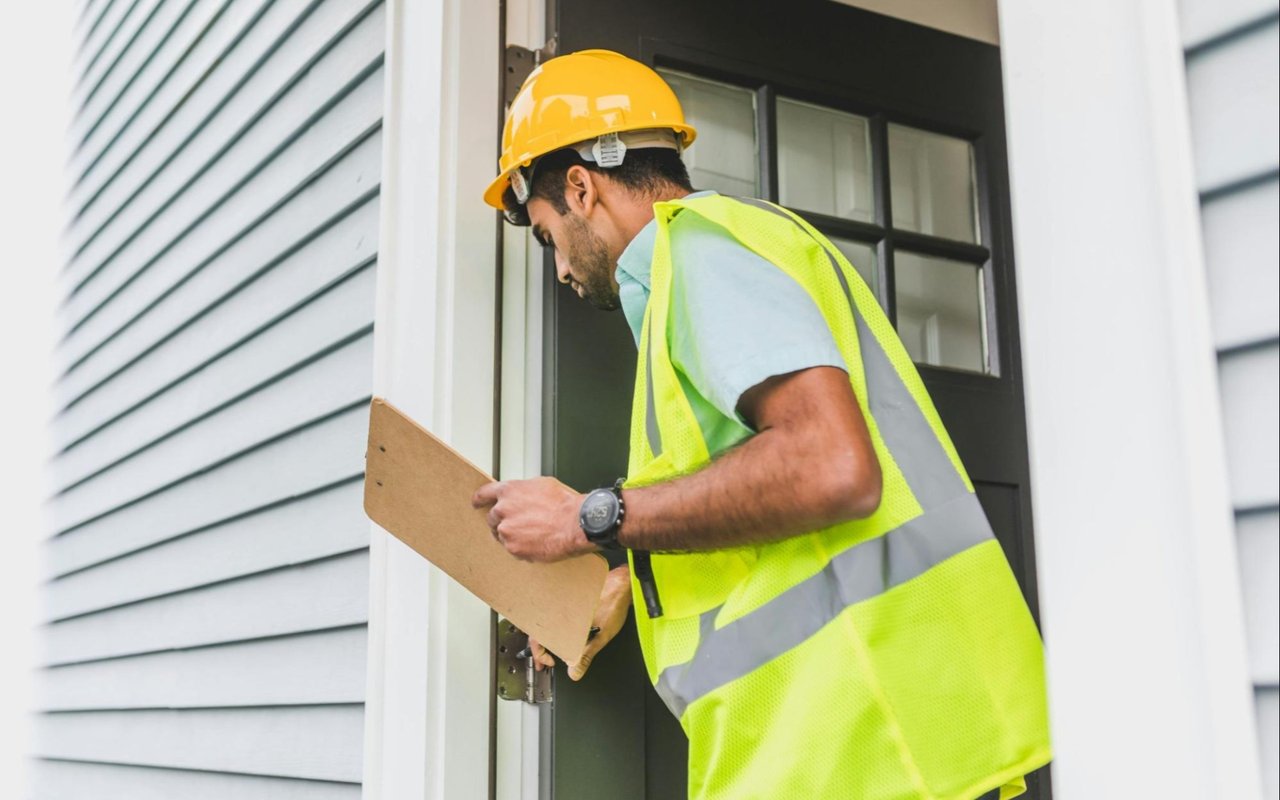
A standard home inspection evaluates the visible and accessible components of a property. Inspectors document current conditions and identify concerns — they are not contractors and do not perform repairs, but a thorough report gives you a clear picture of the property's condition at the time of purchase.
A general Napa Valley home inspection typically covers:
- Foundation and structure: signs of settlement, cracking, moisture intrusion, and framing integrity
- Roof and exterior: roofing materials, flashing, gutters, siding, trim, decks, and balconies
- Plumbing: supply lines, drains, water heaters, water pressure, and visible leaks or corrosion
- Electrical: main panel, breakers, grounding, outlets, switches, and GFCI protections
- HVAC: furnaces, heat pumps, ductwork, airflow, and thermostat operation
- Interior: walls, ceilings, floors, windows, doors, fireplaces, and built-in appliances
- Attic and crawlspace: insulation, ventilation, moisture, and pest activity
A standard inspection in the North Bay area typically takes two and a half to three hours. The report is generally delivered digitally within 24 hours, complete with photographs and clear descriptions of findings.
Napa Valley–Specific Considerations
Napa Valley has a few inspection factors that don't apply the same way in other California markets. Understanding them helps you ask the right questions and order the right additional evaluations.
What makes Napa Valley inspections distinct:
- Seismic activity: The 2014 South Napa earthquake caused significant damage throughout the region. Inspectors pay close attention to foundation integrity, wall connections, and earthquake retrofitting, particularly on older properties
- Historic construction: Many downtown Napa homes date to the late 1800s and early 1900s. Older materials, original plumbing, and outdated electrical panels are common findings, though they don't automatically indicate a bad property
- Agricultural proximity: Vineyard-adjacent homes may show pest activity, soil erosion concerns, or irrigation system factors that require specialist review
- Well and septic systems: Properties outside city utilities require separate well and septic inspections, which are not included in a standard general inspection
Always look for an inspector certified by ASHI (American Society of Home Inspectors) or InterNACHI with experience specific to Napa Valley properties. Local knowledge matters — an inspector familiar with the region's building history and environmental conditions will catch things a generalist might miss.
Specialty Inspections to Consider
A general inspection is the foundation, but in Napa Valley, additional specialty inspections are often worth the investment.
Specialty inspections commonly ordered in this market:
- Pest inspection: Termites, dry rot, and moisture damage are common in older homes and properties with significant landscaping. California lenders often require a pest clearance report
- Sewer scope: A camera inspection of the sewer lateral can reveal root intrusion, deteriorated pipes, or blockages — expensive problems if discovered after closing
- Chimney inspection: Many Napa Valley homes have wood-burning fireplaces; a level 2 chimney inspection by a certified specialist is worth ordering if the fireplace is a selling feature
- Roof inspection: When a general inspector identifies concerns with the roofing, a roofing contractor's assessment gives you accurate repair cost estimates before finalizing your decision
How to Use the Inspection Report
The inspection report is not a pass/fail document. In Napa Valley, it's completely normal for inspections to surface a list of items — especially on older homes. The goal is to distinguish between minor maintenance, age-appropriate characteristics, and true concerns that warrant negotiation or further evaluation.
How to approach the report strategically:
- Prioritize safety and structural findings: foundation movement, active leaks, roof failures, and electrical hazards take precedence
- Negotiate on significant items: request repairs, credits, or a price adjustment for findings that carry real cost
- Budget for deferred maintenance: older but functional systems aren't failures; plan for future upgrades rather than treating every item as a deal-breaker
- Order specialist evaluations when flagged: if the inspector recommends a structural engineer, pest specialist, or roofer, follow through before removing contingencies
FAQs: Home Inspections in Napa Valley
Should I attend the home inspection in person?
Yes, whenever possible. Walking the property with the inspector gives you context that the written report alone can't fully convey. You can ask questions in real time, see the severity of findings firsthand, and leave with a much clearer sense of what the property involves. Your agent will often attend as well, which adds another experienced perspective.
What does a home inspection typically cost in Napa Valley?
Most standard home inspections in the North Bay area run between $550 and $650, depending on the size, age, and complexity of the property. Specialty inspections are priced separately. The inspection cost is paid by the buyer and is one of the best investments you can make before committing to a purchase.
Can sellers do a pre-listing inspection?
Yes, and I often recommend it. A pre-listing inspection helps sellers identify issues before the home goes on the market, allowing them to address repairs proactively, price the home accurately, and reduce the likelihood of surprises during escrow. It can also build buyer confidence when the report is made available as part of the disclosures.
Buy Your Napa Valley Home With Confidence
A thorough home inspection is how a beautiful listing becomes a knowable investment. With the right inspector, the right questions, and experienced guidance, you can move through the process with clarity rather than uncertainty.
Reach out to me to learn how I guide buyers through every step of a Napa Valley home purchase, from the first showing through a smooth close.
Reach out to me to learn how I guide buyers through every step of a Napa Valley home purchase, from the first showing through a smooth close.